

Common Furniture Shopping Mistakes to Avoid in 2026
TL;DR:
- Avoiding common furniture shopping mistakes involves measuring access points and prioritizing quality materials. Buying in sequence and allocating your budget wisely lead to more functional and personalized spaces. Rushing the process often results in furniture that is inappropriate or difficult to use daily.
Furniture shopping mistakes are defined as purchasing decisions that result in poor fit, wasted money, or pieces that fail within a few years. The most costly errors share three causes: skipping measurements, ignoring construction quality, and buying everything at once. Furniture scale is one of the first things buyers overlook, and it creates problems that no amount of styling can fix. Getting these fundamentals right before you spend a dollar is the clearest path to a home you will actually enjoy living in.
1. Common furniture shopping mistakes start with skipping measurements
Measuring only the room is not enough. The most frequent furniture purchasing mistake buyers make is forgetting to measure every access point a piece must pass through before it reaches its final spot.

Four dimensions matter most: wall length, room clearance, doorway width and height, and the diagonal of any doorway or elevator opening. A sofa that fits your living room perfectly can still be impossible to deliver if the hallway is too narrow. Measure the narrowest point, not the widest.
Circulation space is equally critical. At least 90 cm of clear space between furniture pieces keeps a room comfortable to move through. Dining areas need a minimum of 75 cm from the table edge to the wall so chairs can pull out without hitting anything.
Pro Tip: If access points are tight, choose modular furniture that can be assembled inside the room. Modular sectionals and platform beds with separate components solve most delivery problems without forcing you to compromise on size.
2. Buying the cheapest option and paying for it twice
The lowest price tag rarely reflects the lowest total cost. Furniture built with low-grade materials wears out fast, and replacement costs add up quickly.
The construction threshold worth knowing: kiln-dried hardwood frames and foam density at or above 30 kg/m3 are the minimum standards for furniture that holds up over years of daily use. These are not luxury specifications. They are the baseline for durability.
Foam density is a reliable quality indicator. Foam below 25 kg/m3 softens and sags quickly, often within a year or two of regular use. Foam at or above 30 kg/m3 maintains its shape and support for years. Ask for this number before you buy.
Warranty length signals how much confidence a manufacturer has in their own product. A minimum two-year warranty is the industry standard for furniture worth buying. Anything shorter is a warning sign. Humidity and sun exposure also affect longevity, so factor your local climate into material choices.
Pro Tip: Ask the retailer specifically about frame joinery. Dowel and corner block construction outperforms stapled joints. If the salesperson cannot answer, that tells you something important about the product.
3. Purchasing everything at once
Buying a full room of furniture in a single trip feels efficient. It almost always creates problems. Buying furniture in sequence produces better results because each purchase informs the next.
The recommended order is anchor pieces first: sofa, bed, and dining table. These define the scale and feel of each room. Secondary pieces like side tables, accent chairs, and storage come next, sized and styled around what is already in place. Decorative and accent pieces come last, once you know how the room actually lives.
Buying everything simultaneously often results in mismatched scale. A coffee table that looked proportional in a showroom can feel too large once the sofa, rug, and side chairs are all in place. Spacing issues that seem minor in a store become daily frustrations at home.
Impulsive early purchasing is one of the most common regrets buyers report. The pressure to finish a home quickly leads to decisions made without enough information about how the space actually functions.
Pro Tip: Schedule furniture delivery after any renovation work is complete and the space has had time to air out. Paint fumes and construction dust can damage upholstery and finishes before you even sit down.
4. Ignoring budget allocation across furniture categories
Spending without a plan leads to overspending on accent pieces and underspending on the furniture that gets used every day. A practical budget guideline allocates roughly 50% to anchor pieces, 30% to dining furniture, and 20% to secondary and decorative items.
This ratio reflects how furniture actually wears. Your sofa and bed absorb the most daily use, so they deserve the most investment. A dining table and chairs take regular stress from meals, homework, and gatherings. Accent pieces matter for style, but they rarely need the same construction standards.
Buyers who invert this ratio, spending heavily on decorative items and cutting corners on sofas and beds, end up replacing the expensive pieces first. The quality construction guide at cozyhome furniture covers exactly what to look for in each category before committing your budget.
5. Choosing style over comfort and daily function
A piece that looks perfect in a showroom can feel wrong within a week of daily use. Comfort is not subjective. It is a function of seat depth, cushion density, back support angle, and fabric texture against skin.
Selecting upholstery based on showroom aesthetics alone fails in real-life conditions. Humidity, sun exposure, and daily contact all affect how a fabric performs over time. Open-weave linens fade unevenly in humid climates. Light-colored fabrics show wear faster in high-traffic households. Leather and high-performance woven fabrics hold up better under real conditions.
Sit in every piece before you buy it. Spend more than a minute. Lean back, shift positions, and think about how you actually use furniture at home. Showroom lighting and staging are designed to make everything look appealing. Your living room is not a showroom.
Understanding how to choose furniture for the way you actually live, not the way you imagine living, is one of the most practical shifts a buyer can make.
6. Buying matching furniture sets
Matching sets feel like a safe choice. They produce rooms that look flat, staged, and impersonal. Matching furniture sets consistently result in interiors that feel more like a showroom floor than a lived-in home.
Mixing materials and silhouettes adds depth and character. A walnut dining table pairs well with upholstered chairs in a contrasting fabric. A linen sofa works alongside a leather accent chair. Mixing furniture materials and silhouettes adds dimensionality that matching sets cannot achieve.
The practical benefit goes beyond aesthetics. Mixed pieces are easier to update over time. When one item wears out or your taste changes, you can replace it without disrupting the entire room. A matched set forces an all-or-nothing decision every time something needs updating.
For dining spaces specifically, sourcing unique dining furniture as a focal point, rather than buying a boxed set, gives the room personality and makes it more adaptable over time. For inspiration on building a room with cultural depth and intentional design, Afrocentric living room decor ideas show how mixing pieces with purpose creates spaces that feel genuinely personal.
7. Skipping the room’s focal point before buying
Every well-designed room has a focal point. Buying furniture without identifying it first leads to layouts that feel directionless and crowded. A focal point is the visual anchor of a room, typically a fireplace, a large window, a feature wall, or a statement piece of furniture.
Furniture placement should orient toward the focal point, not away from it. Buyers who skip this step often end up rearranging rooms multiple times after delivery, sometimes discovering that a piece simply does not work in the space at all.
Understanding what a furniture focal point is before you shop helps you evaluate every piece against a clear spatial goal. It also prevents the common error of buying a statement sofa and then realizing there is no logical place to put it.
Key Takeaways
Avoiding furniture buying pitfalls requires measuring access points, prioritizing construction quality, and buying anchor pieces before accents.
| Point | Details |
|---|---|
| Measure access points first | Measure doorways, hallways, and elevators before ordering any large piece. |
| Prioritize construction quality | Choose kiln-dried hardwood frames and foam density at or above 30 kg/m3. |
| Buy in sequence | Start with anchor pieces, then add secondary and decorative items around them. |
| Allocate budget by use | Spend 50% on anchor pieces, 30% on dining, and 20% on accents. |
| Mix, do not match | Combine different materials and silhouettes for rooms that feel lived-in and adaptable. |
What I have learned from watching buyers rush the process
— Dean P.
The single most common pattern I see is buyers who feel pressure to finish their home fast. They buy everything in one weekend, skip the measurements, and choose pieces that photograph well. Six months later, they are living with a sofa that blocks the hallway, a dining table that seats eight in a room that comfortably fits four, and cushions that have already started to sag.
The fix is not complicated. Live in your space for a few weeks before buying anything beyond the basics. You will learn things about how you use each room that no floor plan can tell you. Where do you actually sit? Where does light hit in the afternoon? What path do you walk every morning?
Quality decisions made slowly almost always beat fast decisions made under pressure. A piece built with a kiln-dried hardwood frame and high-density foam will still feel good in ten years. A piece bought because it was in stock and on sale will remind you of that decision every single day.
— Dean P.
cozyhome furniture is built for buyers who want to get it right
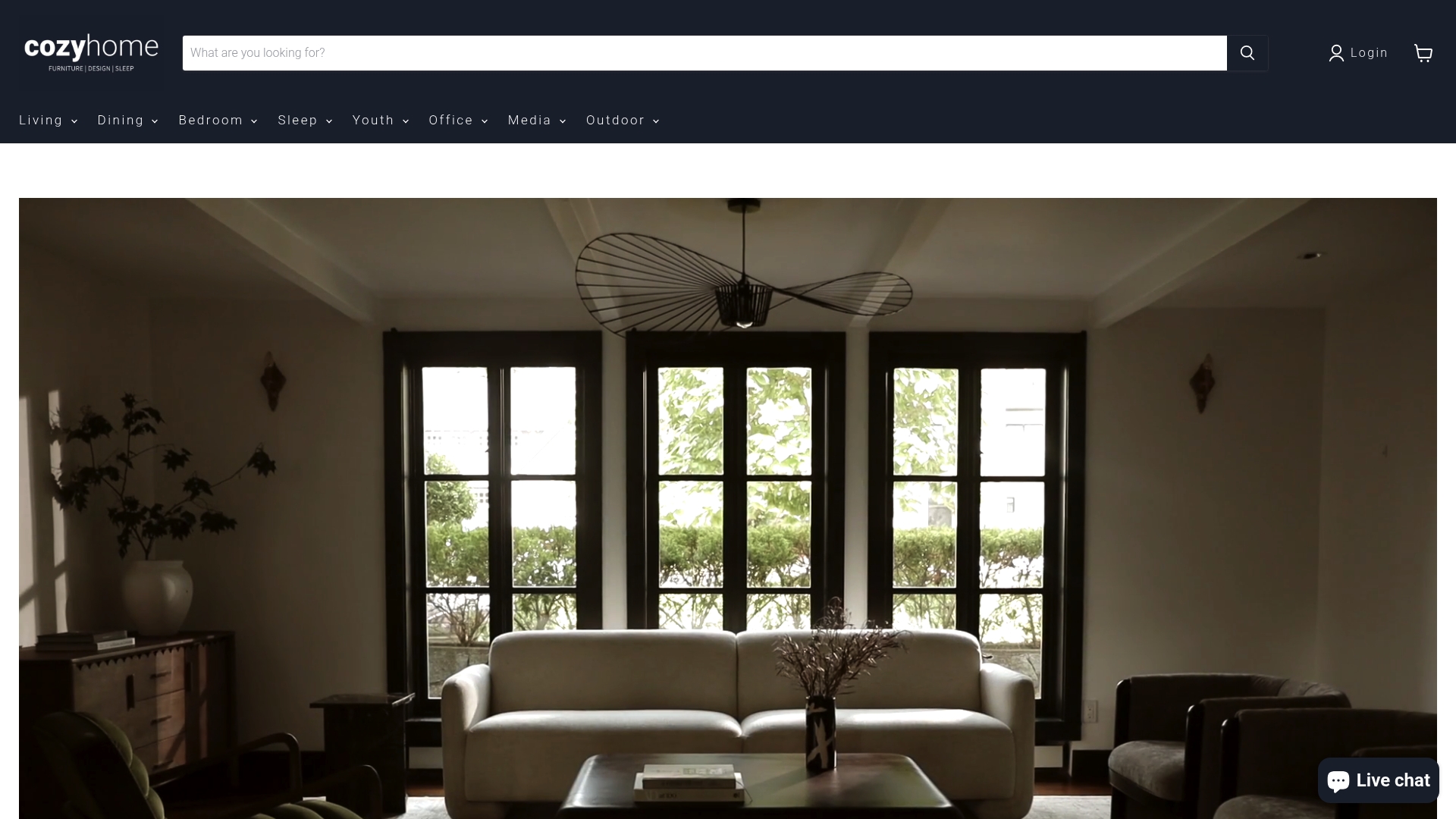
At cozyhome furniture, we work with buyers who are ready to make thoughtful decisions, not rushed ones. Our Plano showroom lets you sit in every piece, feel the fabric, and talk through sizing with staff who know the product inside and out. Every sofa and bed we carry meets the construction standards that matter: solid frames, high-density foam, and upholstery chosen for real-life use.
The Excelsior Sofa and the Watson Queen Bed are two of our most trusted anchor pieces, built to the quality benchmarks covered in this article. With 700+ fabric and leather options and free local delivery across DFW, we make it straightforward to buy well the first time.
FAQ
What is the most common furniture shopping mistake?
Skipping measurements of access points like doorways and hallways is the most frequent error. A piece can fit the room perfectly but still be impossible to deliver.
How much circulation space should I leave between furniture pieces?
At least 90 cm of clear space between pieces keeps a room comfortable to move through. Dining areas need a minimum of 75 cm from the table edge to allow chairs to pull out freely.
What foam density should I look for in a sofa or chair?
Choose foam at or above 30 kg/m3 for lasting support. Foam below 25 kg/m3 softens and sags quickly, often within the first year or two of regular use.
Is it better to buy furniture all at once or in stages?
Buying in stages produces better results. Start with anchor pieces like your sofa, bed, and dining table, then add secondary and decorative items once you know how the space functions.
Why should I avoid buying a matching furniture set?
Matching sets produce rooms that look flat and staged rather than personal and lived-in. Mixing materials and silhouettes creates more depth and makes individual pieces easier to update over time.