

Custom Furniture Upholstery Process: A Complete Guide
Custom furniture upholstery is defined as the craft of rebuilding and covering furniture to meet specific comfort, style, and structural needs through expert material selection and skilled construction. The process goes far beyond choosing a fabric. It covers frame inspection, support systems, padding geometry, and precise fabric application. Understanding what is custom furniture upholstery process helps you make smarter decisions, whether you are commissioning a new piece or restoring a beloved heirloom. At Cozyhomefurniture, we see this process play out with every custom sofa and sectional we build, and the results speak for themselves.
What are the key stages of the custom furniture upholstery process?
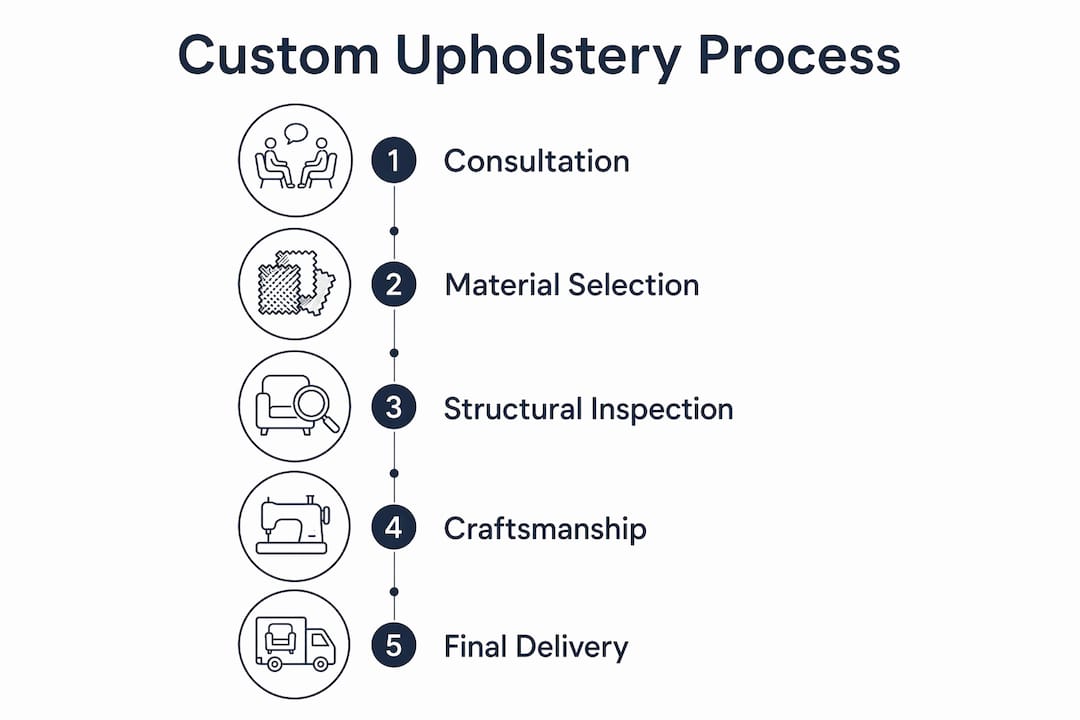
The custom upholstery process involves five main stages: consultation, material selection, structural inspection, craftsmanship, and quality inspection. Each stage builds on the last, and skipping any one of them compromises the final result.
-
Consultation. You and the artisan align on the project scope, intended use, style preferences, and budget. This conversation shapes every decision that follows, from frame choice to fabric weight.
-
Material and design selection. Fabric type, frame material, padding density, and decorative accents are all chosen here. This is where personal style meets practical function. A dining chair fabric needs different durability than a bedroom accent chair fabric.
-
Structural inspection and repair. The frame is examined for loose joints, broken webbing, or compromised spring systems. Professional upholsterers control hidden layers like frame, webbing, springs, and padding before any fabric is applied. Structural soundness is the foundation of lasting upholstery quality.
-
Craftsmanship. Foam is shaped and layered, fabric is cut and sewn, and the cover is applied with controlled tension. This stage requires the most skill and time.
-
Quality inspection and delivery. The finished piece is checked for wrinkles, alignment, seam integrity, and overall visual consistency before it reaches your home.
Pro Tip: Ask your upholsterer to photograph the piece at each stage. These images confirm structural work was done correctly and give you a reference if questions arise later.
How do choices in support systems and materials influence upholstery quality?
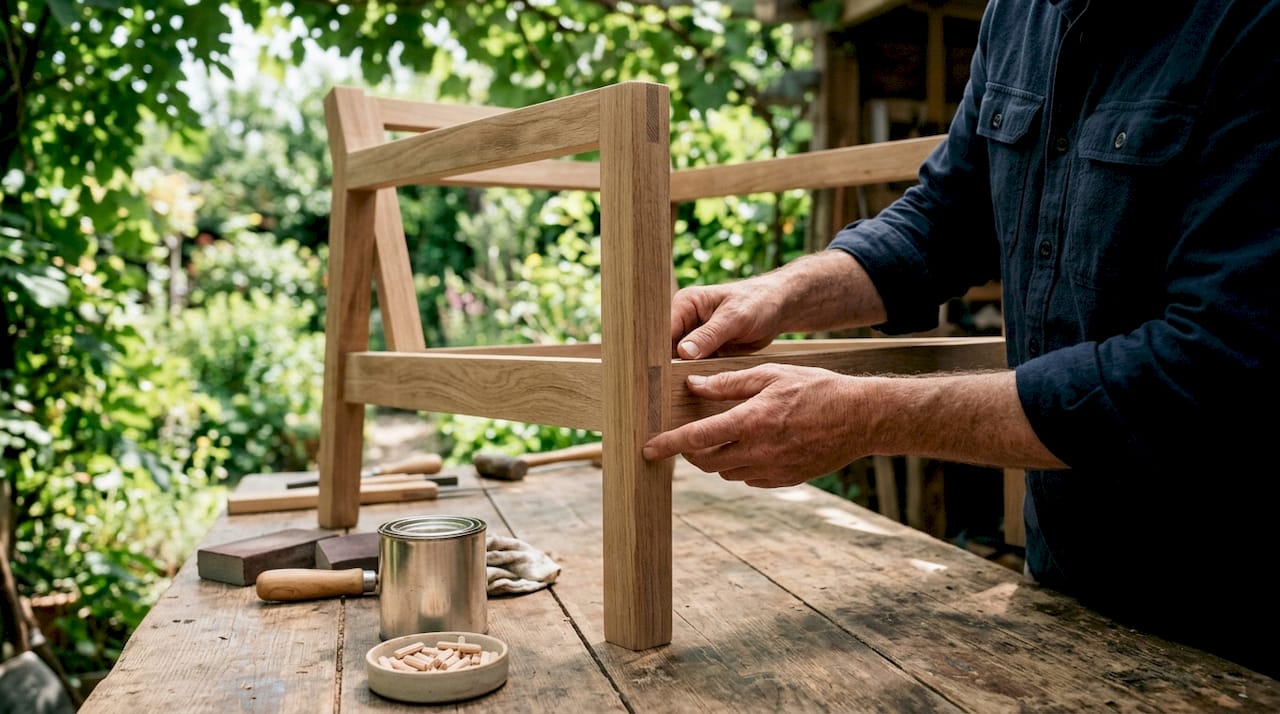
The support system inside your furniture determines how it feels and how long it lasts. Hand-tied coil springs offer superior durability and weight distribution but are labor-intensive to install. Modern pre-assembled spring units deliver consistent results more efficiently and suit most contemporary projects well.
| Support type | Best for | Trade-off |
|---|---|---|
| Hand-tied coil springs | Period furniture, high-use pieces | Labor-intensive, higher cost |
| Pre-assembled spring units | Contemporary builds, production runs | Less customizable feel |
| Webbing and foam base | Light-use chairs, accent pieces | Lower durability over time |
Frame material matters just as much as the spring system. Kiln-dried hardwood frames resist warping and hold staples firmly over years of use. Softwood or particleboard frames may feel solid at first but tend to loosen at joints under regular stress.
Foam layering is where customization tailors comfort to the individual. A firmer base foam topped with a softer comfort layer creates a seat that supports without feeling rigid. Upholsterers adjust density and thickness to match how a piece will actually be used, whether that is daily family seating or an occasional reading chair.
Common mistakes to avoid during material selection:
- Choosing fabric by appearance alone without checking abrasion rating or cleaning code
- Underestimating yardage by ignoring pattern repeats and nap direction
- Selecting foam density based on price rather than intended use
- Mixing frame materials that expand and contract at different rates
Pro Tip: Always request a fabric swatch and sit with it in your actual room lighting for at least 24 hours before committing. Colors read very differently under natural light versus showroom lighting.
What craftsmanship techniques ensure a professional and lasting finish?
Professional upholstery results come from a specific sequence of techniques applied with care at every step. Foam shaping involving crown, bevels, layering, and dry fitting is the foundation of both comfort and visual finish. Properly contoured foam prevents wrinkles, maintains cushion shape over time, and supports even fabric tension across the surface.
Key craftsmanship techniques that separate professional work from amateur results:
- Crown shaping: A slight dome built into seat foam so the cushion looks full and inviting rather than flat after the fabric is applied.
- Bevel cutting: Angled foam edges create smooth transitions at corners and seams, eliminating the boxy look of straight-cut foam.
- Dry fitting: Fabric and foam are positioned without permanent fixation first. This step isolates fit problems before they become permanent mistakes.
- Fabric tensioning: Stapling from the center outward with even tension produces a crisp, wrinkle-free finish. Starting at the edges causes fabric to shift and bunch.
“The visible fabric cover should not mask failures inside the furniture construction. Professional upholsterers control hidden layers like frame, webbing, springs, and padding to guarantee structural soundness as the true foundation of upholstery quality.”
A thorough teardown of an existing piece also matters more than most people realize. Preserving old materials as reference during teardown helps the artisan understand the original construction sequence. Discarding those layers removes the roadmap needed to replicate structural integrity and visual alignment in the new build.
How can you make informed decisions when choosing upholstery materials?
Fabric choice is the most visible decision in the upholstery process, but it carries practical weight beyond aesthetics. Durability, cleanability, and how a fabric behaves under tension all affect the finished result. Knowing how to evaluate your options puts you in control of both the look and the longevity of your piece.
Fabric considerations worth understanding before you commit:
- Abrasion rating (Wyzenbeek or Martindale): Higher ratings mean greater resistance to wear. Upholstery fabrics rated above 15,000 double rubs suit high-traffic seating well.
- Cleaning codes: Fabrics carry codes (W, S, WS, X) that indicate safe cleaning methods. Choosing a fabric with a cleaning code that matches your household habits prevents damage later.
- Nap direction: Velvet and chenille have a directional pile. Fabric nap and pattern repeat must be accounted for at the cutting stage to maintain visual continuity across seams. Cutting against the nap creates sheen differences that show up clearly in finished work.
- Pattern repeat: Large pattern repeats require more fabric to align correctly across cushions and panels. Buy 10–15% extra fabric to cover pattern matching and any cutting errors.
Finishes and accents, such as contrast welting, decorative nailhead trim, or tufting, add personality without requiring a full fabric change. These details are worth discussing during the design consultation because they affect cutting layout and labor time. Choosing them after fabric is cut can create complications.
When you work with Cozyhomefurniture, you have access to over 700 fabric and leather options, which means you can match both the look and the practical demands of your space without settling for whatever happens to be in stock.
What practical steps can improve your custom upholstery experience?
Clear communication at the start of a project saves time and prevents costly revisions. Describe your lifestyle honestly. A home with pets and children needs different fabric choices than a formal sitting room. The more specific you are about how the furniture will be used, the better the artisan can guide your material and construction decisions.
Staying engaged during the process also matters. Request updates at key milestones, particularly after the structural inspection and after foam shaping is complete. These are the two points where course corrections are still straightforward. Changes after fabric is applied are expensive and sometimes impossible without starting over.
Final inspection criteria to check before accepting delivery:
- Seams are straight and meet at corners without puckering
- Fabric pattern aligns consistently across panels and cushions
- No visible staples, gaps, or uneven tension along the base and back
- Cushions sit evenly and return to shape after compression
Pro Tip: Ask for care instructions in writing. Most upholstery fabrics have specific cleaning requirements, and using the wrong product can void any workmanship warranty and permanently damage the surface.
Proper aftercare extends the life of custom upholstery significantly. Rotating cushions regularly, keeping upholstered pieces out of direct sunlight, and vacuuming fabric surfaces weekly all reduce wear. For choosing furniture that fits your life, matching care habits to fabric type from the start is the most practical decision you can make.
Key Takeaways
The custom furniture upholstery process requires structural integrity, precise material selection, and skilled craftsmanship working together to produce furniture that is both durable and personal.
| Point | Details |
|---|---|
| Five-stage process | Consultation, material selection, structural inspection, craftsmanship, and quality inspection are all required steps. |
| Support systems matter | Hand-tied coil springs offer superior durability; pre-assembled units suit most contemporary builds efficiently. |
| Foam shaping drives comfort | Crown, bevel, and layering techniques prevent wrinkles and maintain cushion shape over years of use. |
| Fabric planning prevents waste | Buy 10–15% extra fabric to account for pattern repeats, nap direction, and cutting errors. |
| Communication protects your investment | Clear scope-setting and milestone check-ins prevent costly revisions after fabric is applied. |
What I’ve learned from watching custom upholstery up close
Most people focus entirely on fabric when they think about upholstery. I understand why. Fabric is what you see and touch every day. But after spending time around skilled artisans and watching pieces built from the frame up, I am convinced that the hidden layers matter more than the surface.
The structural work, the spring system, the foam geometry, the webbing tension, these are the decisions that determine whether a sofa still feels great in ten years or starts to sag and shift within two. A beautiful fabric on a poorly built frame is a short-term investment. A well-built frame with careful foam layering and a fabric chosen for real-life use is furniture you keep.
My honest recommendation is to ask your upholsterer to walk you through the structural plan before any fabric is ordered. Understanding why American-made craftsmanship produces more durable results comes down to exactly this: the attention paid to what you cannot see. That conversation will tell you more about the quality of the work than any fabric sample ever will.
Custom upholstery is not just a decorating decision. It is a construction decision. Treat it like one, and the result will be furniture that genuinely fits your home and your life.
— Pecan
Cozyhomefurniture’s custom upholstery options for your home
We build furniture around the way you actually live, not around what happens to be available in a warehouse.
At Cozyhomefurniture, every sofa and sectional is made to order with your fabric choice, cushion configuration, and sizing built in from the start. Our Excelsior sofa is a strong example of how comfort layering and fabric variety come together in a single piece. We carry over 700 fabric and leather options, and our in-store team in Plano guides you through every selection with no pressure and no guesswork. Free local delivery and flexible financing make the process straightforward from your first visit to the day your piece arrives home.
FAQ
What is the custom furniture upholstery process?
The custom furniture upholstery process is a five-stage method covering consultation, material selection, structural inspection, craftsmanship, and quality review. It rebuilds furniture from the frame outward to meet specific comfort, style, and durability needs.
How long does custom upholstery typically take?
Timeline varies by project complexity, fabric availability, and the extent of structural repairs needed. Most custom upholstery projects take several weeks from consultation to delivery.
How much extra fabric should I buy for upholstery?
Buy 10–15% more fabric than your base estimate to account for pattern repeats and cutting errors. Nap direction on pile fabrics like velvet requires additional yardage to maintain visual consistency across seams.
What is the difference between hand-tied springs and pre-assembled spring units?
Hand-tied coil springs provide superior durability and weight distribution, making them ideal for high-use or period furniture. Pre-assembled spring units offer consistent results with less labor, suiting most contemporary builds well.
How do I know if a finished upholstery job is high quality?
Check that seams are straight, fabric patterns align across panels, cushions sit evenly, and no staples or gaps are visible along the base. Professional fabric tensioning from the center outward produces a crisp, wrinkle-free surface that distinguishes skilled work from amateur results.