

Fabric Pilling on Sofas: 5 Causes, Safe Fixes, and Showroom Advice
Pilling on sofas is common and usually only an aesthetic issue. Vacuum first, then lift the pills with a fabric shaver or a manual sweater comb, and keep up your normal care. Industry labs rate pilling on a scale, and upholstery guidance offers a benchmark for interpreting the results. If pills keep coming back, that is when to look closer.
TL;DR:
- ASTM methods rate pilling from Class 1 to Class 5, and upholstery guidance sets Class 3 as the usual minimum, though home wear varies.
- Pilling often peaks within the first 4–6 months and eases after loose fibers are removed; severe pilling that persists despite care warrants contacting the seller.
- Acrylics, synthetic blends, loosely twisted yarns, and some bouclé tend to pill more, while long filament fibers and high rub count synthetics resist better.
- Use an electric shaver only once or twice a year because repeated shaving can weaken fibers; choose a manual comb for delicate fabrics.
Table of Contents
- What is fabric pilling and how do pills form?
- What causes sofa fabric to pill?
- Which fabrics pill more and which resist pilling?
- Does pilling mean the fabric is low quality?
- How long does pilling last and when should you worry?
- How do you remove pilling safely?
- How can you prevent pilling and keep your sofa looking fresh?
- What we tell customers about fabric in our showroom
- Don’t let pilling make you doubt a good sofa
- Pick a sofa fabric built to resist pilling with cozyhome
- FAQ
- Sources
What is fabric pilling and how do pills form?
Pills are small, tangled balls of fiber that sit on the surface of a fabric. They look like tiny fuzz beads, and they can make a fairly new sofa look tired. The good news is that they are a surface issue and not a sign that the sofa is coming apart.
Here is how they form:
- Loose or short fibers work their way up to the surface of the fabric as you sit, shift and lean.
- Those fibers tangle together with rubbing and movement.
- Stronger fibers hold the tangle in place, so the little ball stays attached instead of falling off.
- Fibers from outside the sofa, such as lint from a throw blanket, clothing fuzz and pet hair, can get caught in the mix and add to the pile.
That last point surprises a lot of homeowners. Sometimes the pills on your sofa did not come from the sofa at all. They are fuzz from the cozy blanket you use every night, tangled into the weave and anchored there.
What causes sofa fabric to pill?
Pilling is rarely down to one thing. According to ASTM, the degree of pilling depends on fiber type, yarn and fabric construction, finishing treatments and how the fabric is used. In a real living room, that comes down to a handful of everyday triggers:
- Friction from daily use. The spots where you sit, rest your arms and lean your head take the most rubbing, so pills show up there first. Cleaning and scrubbing add more abrasion.
- Short fibers. Short fibers have more loose ends, and those ends migrate to the surface more easily than long, continuous filaments.
- Fiber blends. When a weaker fiber is blended with a stronger one, the weak fibers can break free while the strong ones hold the pill in place instead of letting it fall away.
- Construction and finish. Loosely twisted yarns, open weaves and certain finishing treatments all change how easily fibers escape and tangle.
- Fiber transfer. Throws, sweaters, pet fur and other textiles shed fuzz that tangles into your upholstery and builds pills that look like they came from the sofa.
Most sofas deal with several of these at once, which is why two identical sofas in different homes can look very different over time.
Which fabrics pill more and which resist pilling?
No fabric is completely immune, but some are clearly more forgiving than others. Use this as a rough guide when you look at your own sofa or shop for a new one:
- Higher risk: Acrylics, some synthetic blends, low-twist yarns and some bouclé weaves tend to pill more readily.
- Lower risk: Long-filament natural fibers and high-performance synthetics with documented high rub counts generally hold up better.
- Performance velvet: It typically uses synthetic fibers with rub counts in the 50,000 to 100,000 range, while lower-quality velvet pills more and may crush permanently. Our comparison of performance velvet and microfiber shows how the two behave day to day.
- Texture trade-offs: Nubby, heavily textured fabrics can hide small pills well, but they also trap crumbs and dust, so they need their own kind of upkeep.
If you are not sure what your sofa is made of, check the care tag under a cushion. Fiber content is usually listed there, and it tells you a lot about what to expect.
Does pilling mean the fabric is low quality?
Not necessarily. Professionals see pilling as an aesthetic issue that does not indicate structural failure, and it can be removed without hurting the fabric’s performance when done correctly. It is similar to the shedding you see with a new wool carpet.
Industry testing backs this up. The ASTM D3511 and D4970 methods rate pilling from Class 1 to Class 5, and the Association for Contract Textiles guidance treats Class 3 as the usual minimum for upholstery.
Class 3 is the common minimum pilling rating for upholstery fabric, according to ACT guidance. A fabric that rates at or above it is considered acceptable, even though it may still show a few pills in real life.
Keep in mind that lab tests don’t capture everything. They cannot fully predict field performance because they leave out household traffic, maintenance habits and fiber transfer from other textiles. So a good fabric can still pill a little at home, and that alone is not a reason to panic.
How long does pilling last and when should you worry?
For most sofas, pilling follows a pattern. It often peaks within the first 4–6 months and usually eases once the loose fibers have been removed. Here is what shapes that timeline:
- New sofa effect: Loose surface fibers are plentiful at first, so early pilling is normal.
- Ongoing friction: Heavy daily use in the same spots keeps producing new pills.
- Fiber migration: Throws, clothing and pets keep adding fuzz that can tangle.
- Irregular upkeep: Skipping vacuuming lets loose fibers build up and tangle.
If pilling stays severe after months of normal use and you have followed the care instructions, contact the seller or manufacturer. Bring photos, the fabric name and the date you bought the sofa so the conversation goes quickly.
How do you remove pilling safely?
The most effective tool is a battery-operated fabric shaver, according to Pindler’s upholstery guidance. For delicate fabrics, a manual sweater comb is the safer pick. A pumice stone can also work on sturdier weaves. Whichever you choose, test a hidden spot first, such as the back or underside of a cushion.
- Vacuum the sofa with a soft-brush attachment on low suction to lift loose fibers and debris.
- Test your tool on an inconspicuous area and check the result in good light.
- Work in small sections, keeping the tool moving with a light touch instead of pressing down.
- Never linger in one spot, since that can thin or snag the fabric.
- Empty the shaver often so it keeps cutting cleanly.
- Vacuum again when you finish to pick up the leftover bits.
Pro Tip: Use an electric shaver sparingly, roughly once or twice a year, because repeated shaving can weaken fibers over time. Between sessions, a regular vacuum does most of the work.
How can you prevent pilling and keep your sofa looking fresh?
A little routine goes a long way. Regular vacuuming with a soft-bristled brush attachment removes loose fibers before they tangle into pills and helps your fabric look good for longer. Simple prevention and quick fixes like these are also recommended in manufacturer guidance.
- Vacuum lightly every week with a soft brush attachment.
- Put a protective throw over the arms and seats that get the most wear.
- Rotate and flip your cushions so wear spreads out evenly.
- Follow the manufacturer’s care instructions, and skip aggressive scrubbing or laundering that adds abrasion.
- When you buy or reupholster, ask for the fiber content and rub counts, and lean toward tightly woven, higher-performance fabrics. Our guide to double rubs and fabric durability explains what those numbers mean.
Pro Tip: Keep throws that shed heavily, like cheap fleece, off the sofa’s main seating area. They are a surprisingly common source of the fuzz that ends up as pills.
What we tell customers about fabric in our showroom
Every week we sit down with people in our Plano showroom to match fabric to the way they actually live. With a wide range of fabric and leather options, there is usually a good fit for homes with kids, pets or heavy daily use.
Our practical advice is simple. Ask for rub counts and fiber content, order swatches, and try them at home: rub them, sit on them and leave them in your real light. Our guides on double rubs, bouclé care and pet-friendly upholstery go deeper on each of those situations.

Don’t let pilling make you doubt a good sofa
My view is that pilling gets far more worry than it deserves. A few pills in the first months are normal, and a fabric shaver fixes them in minutes. The real mistake is overreacting: scrubbing harder, shaving every month or deciding the sofa was a bad buy. That kind of treatment wears fibers faster than the pills ever would.

The conventional advice also falls short in one spot. People obsess over lab ratings and forget their own habits. A Class 3 fabric with a shedding throw and no vacuuming can look worse than a lower-rated one that gets weekly care. Standards are a useful starting point, but your household decides the outcome.
If you do one thing first, vacuum on a schedule and keep outside fuzz off the cushions. Then choose your next fabric with a swatch in hand, not just a number on a tag.
— Dean P.
Pick a sofa fabric built to resist pilling with cozyhome
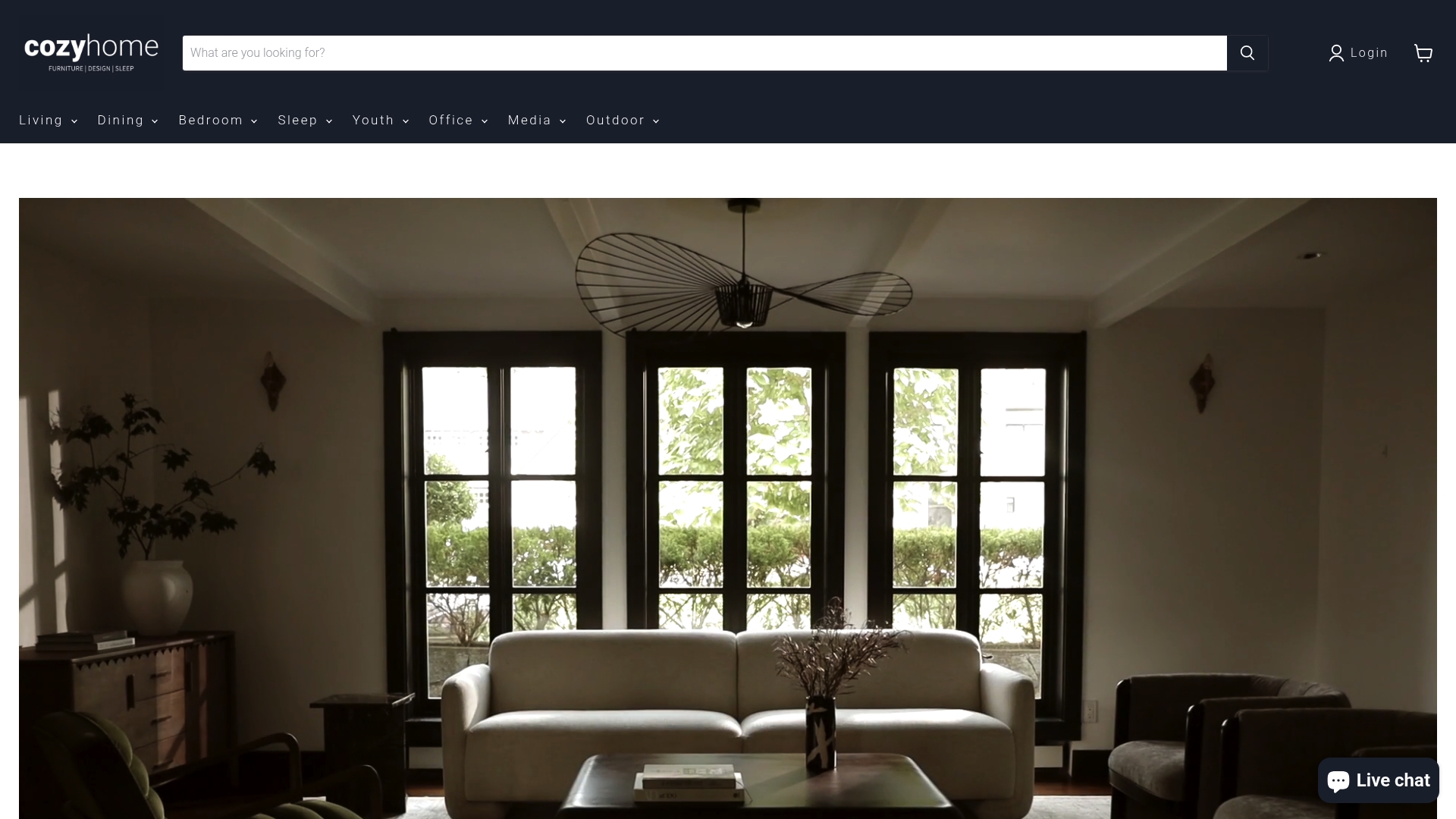
If pilling has you shopping for a new sofa, we can help you choose well from the start. We build custom, made-to-order sofas with a wide range of fabric options, and our team will walk you through fiber content, rub counts and how each fabric tends to wear.
- Book a fabric consultation in our Plano showroom.
- Test fabric options in your own living room.
- Explore our made-to-order custom furniture and start designing a sofa around your space.
FAQ
What is a good pilling remover for a sofa?
A battery-operated fabric shaver is the most effective option, according to Pindler. For delicate fabrics, a manual sweater comb is the safer choice. Use a light touch and keep the tool moving.
Does pilling mean low quality?
Usually not. Pilling is a surface-level look issue and does not point to structural failure, and many good fabrics pill briefly before settling down. Persistent, severe pilling after normal use is worth raising with the seller.
Why does my couch keep pilling?
Ongoing friction, short fibers and fuzz from throws, clothing or pets keep feeding new pills. Regular vacuuming and fewer shedding textiles on the sofa slow this down. Loose fibers also keep surfacing until they have been removed.
What is the best fabric for preventing pilling on a sofa?
Tightly woven, long-filament fibers and high-performance synthetics with documented high rub counts tend to resist pilling best. Ask for fiber content and rub counts, and test a swatch at home before you commit.