

Sectional vs Sofa: Avoid Doorway Disasters by Measuring Pieces
A sectional wins when you want maximum seating and a cozy lounge zone, while a sofa paired with a loveseat wins when you want flexibility and easy conversation. The single factor that decides it for most homes is room size and traffic flow, plus whether the piece can actually get through your door. If you are unsure, our measuring and delivery checklist below settles it, and cozyhome Furniture can build either option to your exact space.
TL;DR:
- Sectionals are best for large rooms, as they provide more seating and support open-concept space definition but are harder to move and often more expensive.
- Separately placed sofas and loveseats offer greater flexibility, easier replacement, and better traffic flow management, especially in smaller or irregularly shaped rooms.
- Proper measurement of each sectional piece and doorway clearance is crucial to avoid delivery issues, with corner and chaise units typically being the hardest to fit.
- Custom-made furniture isrecommended for rooms with unusual angles or size constraints, with in-store measurement and tape-out helping prevent fit problems.
- Reconfigurability and ease of replacement make separate furniture ideal for rooms that may be rearranged frequently or for spaces with high traffic, such as family rooms or formal sitting areas.
Table of Contents
- What separates a sectional from a sofa and loveseat setup
- The upside and downside of choosing a sectional
- Why a sofa and loveseat pairing still holds up
- Measuring and delivery: a checklist that prevents a doorway disaster
- How to choose: a decision process you can follow today
- What buyers get wrong in the showroom
- Get a sectional or sofa built around your exact room
- Sources
- FAQ
What separates a sectional from a sofa and loveseat setup
A sectional is one connected seating unit built from multiple sections, most commonly an L-shape, a U-shape, or a fully modular set that can be rearranged into different configurations. A sofa and loveseat setup, by contrast, uses two or more independent pieces placed near each other rather than joined together.
That structural difference changes how a room feels and functions. Modular sectionals break into individual pieces such as armless chairs, corner or chaise units, and end sections, which matters because each piece has its own dimensions and its own path through your home. A sofa and a loveseat, meanwhile, are already separate, so there is no assembly puzzle, just placement.
The social experience differs too. A sectional versus sofa and loveseat comparison notes that sectionals create one continuous gathering zone, ideal for lounging together, while separate sofas naturally angle people toward face-to-face conversation.
- Sectionals: one connected unit, often L-shaped, U-shaped, or modular.
- Sofa and loveseat: two independent pieces, placed and moved separately.
- Visual weight: a sectional reads as one large form; separate pieces read as lighter and more open.
Arm style also plays into how much of that footprint is usable seating. Slimmer arms can save 8 to 12 inches of seat width on either layout, which matters more once you know your target seating capacity.
The upside and downside of choosing a sectional
Sectionals earn their popularity for good reason. They pack in more seats per square foot than most separate arrangements, create a built-in lounge area for movie nights, and help define a living zone in an open-concept floor plan without adding extra furniture.
- Seating capacity: a sectional typically holds more people than a same-footprint sofa and loveseat pairing.
- Lounging comfort: chaise ends and deep seats make sectionals a natural fit for stretching out.
- Space definition: in open-concept homes, a sectional anchors the living area on its own.
The tradeoffs are real, though. A sectional is harder to rearrange later, can visually overwhelm a small or narrow room, and brings a genuine moving-day challenge since the corner or chaise piece is almost always the largest and heaviest component. Cost tends to run higher too, since you are buying more upholstered material and frame in a single purchase.
A sectional makes the most sense in a dedicated family room, a media room built around one main seating wall, or an open-concept great room where you want the layout to double as a room divider and can benefit from extra comfort like the Stolab Lilla Åland Seat Cushion Nobel Beige.
Pro Tip: If your room is under 250 square feet, test the sectional’s largest piece against your tightest doorway before you fall in love with the floor sample.
Why a sofa and loveseat pairing still holds up
Separate pieces remain the more flexible choice for a lot of homes, and that flexibility shows up in ways a sectional cannot match. You can angle a sofa toward a fireplace and turn a loveseat toward a window, then swap the arrangement entirely when you repaint or move furniture around for a party.
- Rearrangeability: pieces can be repositioned independently as your layout or needs change.
- Lighter visual footprint: two smaller pieces read as more open than one large connected form.
- Easier replacement: if one piece wears out or gets damaged, you replace it alone instead of matching an entire sectional.
- Better for formal or mixed-use rooms: separate seating supports distinct conversation areas rather than one big lounge zone.
The catch is that matching the seating capacity of a sectional usually takes more individual pieces, and you lose that single, unified lounge feel that makes a sectional so good for casual hangouts. A sofa and loveseat pairing tends to win in smaller living rooms, formal sitting rooms, and any space where you expect to reconfigure furniture more than once every few years. The DecorZee comparison points to small rooms specifically as where separate pieces protect traffic flow that a bulky sectional could block.
Measuring and delivery: a checklist that prevents a doorway disaster
Most delivery failures trace back to one mistake: measuring the assembled footprint instead of each individual piece. A sectional’s total dimensions mean nothing if the corner unit alone cannot clear your hallway.
- Measure each section’s width, depth, height, and diagonal, not just the assembled whole.
- Measure your doorway’s clear width, plus any stairwell width and landing space along the path.
- Check turning radii at hallway corners, since a piece that fits a straight hallway can still get stuck at a turn.
- Identify the corner or chaise piece first, since it is usually the largest and hardest to move.
One of the most useful fit tests comes from ItemFits’ delivery checklist: corner and chaise pieces commonly measure roughly mid-to-high three feet square, making them the single hardest piece in most sectionals to move, so testing that piece against your tightest clearance first tells you almost everything you need to know.
Removing legs before the move can reduce a piece’s height by 4 to 6 inches, often enough to clear a tight frame. Photograph connector hardware before disassembly, leave staging space beyond the door for maneuvering, and plan to assemble the sectional in the room rather than in a hallway. Never assume all sections share identical measurements.
How to choose: a decision process you can follow today
Start with how you actually use the room, not with which style looks best in photos. Walk through this order: how the room gets used, your seating target, the traffic paths through it, delivery constraints for getting furniture in, then budget and how long you expect to keep the piece.
Bring these questions to any retailer or installer:
- Are the sections separable, and can they be delivered and carried in individually?
- What are the exact dimensions of each section, including the corner or chaise piece?
- Is delivery and assembly included, and what is the current lead time?
- How does the fabric perform for cleaning and daily wear in a high-traffic room?
Stock pieces work fine for standard room shapes and average doorways. Custom-made furniture earns its place when your room has an odd angle, a narrow stairwell, or a seating target that stock sizes just do not hit. Our own dimensions checklist for custom sofa orders walks through exactly what to measure before you order.
Pro Tip: Tape out your target footprint on the floor with painter’s tape before you shop. It takes five minutes and prevents most of the regret that comes with guessing room scale.

Once you have measurements and a taped-out footprint, bring photos of the room and your numbers to a showroom visit. That single step resolves more fit questions than any online configurator can.
What buyers get wrong in the showroom

The most common mistake we see is a customer measuring the overall sofa or sectional and skipping the corner piece entirely, then discovering on delivery day that the one section that matters will not clear the hallway. The second most common mistake is choosing a beautiful but delicate fabric for a family room that gets daily traffic from kids or pets.
Our fix is simple: test the largest single section against the tightest doorway before anything else, and lean toward washable, durable fabrics in any room that sees heavy use. When a standard sectional will not work for an oddly shaped room, custom sizing solves it without forcing a compromise on seating capacity.
— Dean P.
Get a sectional or sofa built around your exact room
Standard sizing works until your room has a bay window, a narrow stairwell, or a seating count that no stock sectional quite hits. That is where made-to-order furniture earns its keep: custom widths, removable sections sized to your doorway, and in-store measurement help so you never guess.
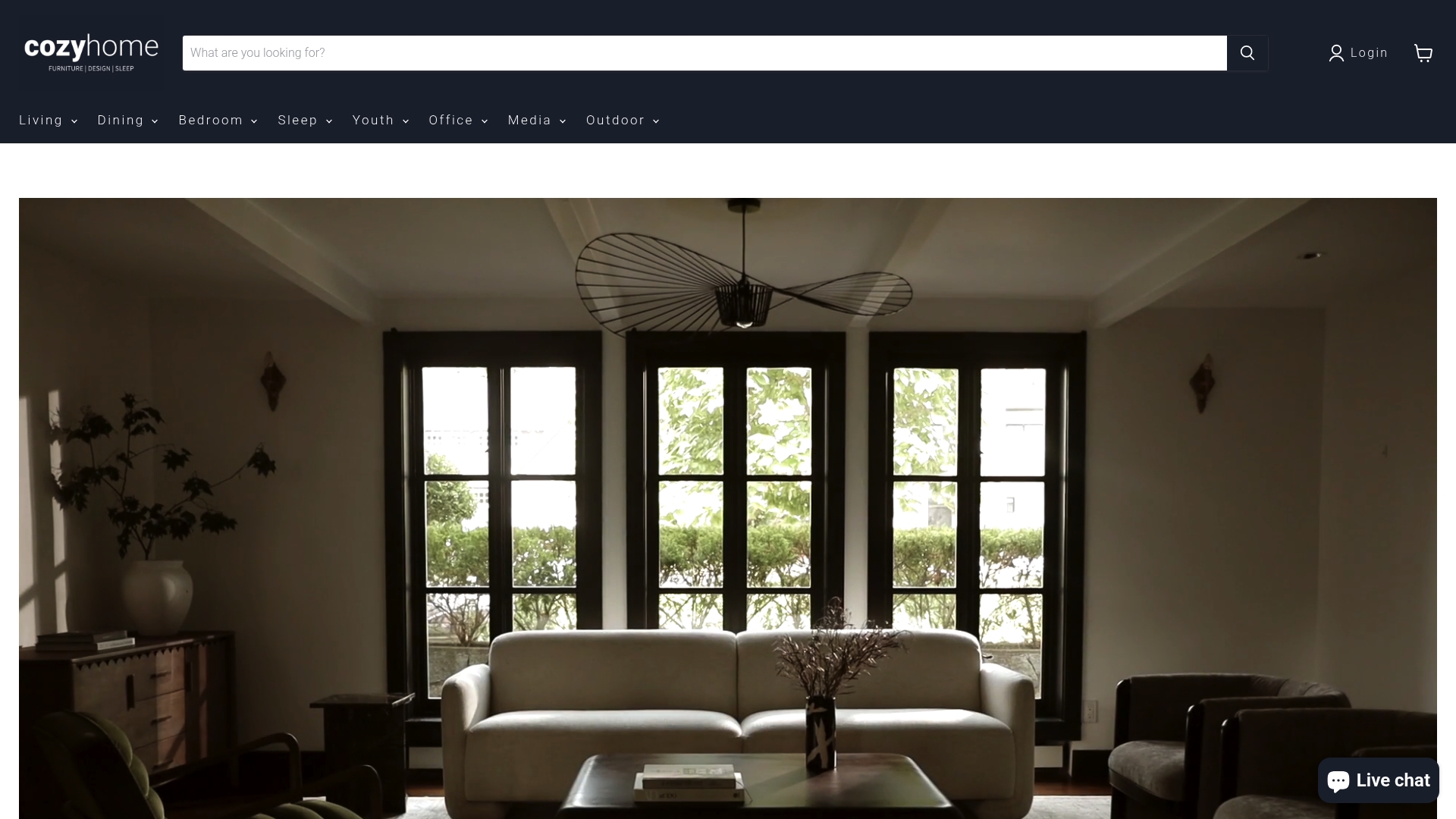
A visit to the cozyhome Furniture showroom starts with your measurements and your room’s traffic flow, then moves into fabric selection from over 700 options built for how the room actually gets used. From there, delivery and assembly are handled for you. Start with the made-to-order custom furniture page to see how a sectional or sofa gets built to your exact space.
Sources
- Sectional Sofa Delivery Checklist — Every Piece Must Fit
- Sectional vs. Sofa and Loveseat: Which Seating Layout Works Best? - DecorZee
FAQ
What are the downsides of a sectional sofa?
A sectional can overwhelm a small room, is harder to rearrange than separate pieces, and its corner or chaise section is often the hardest piece to move during delivery. Cost also tends to run higher since a sectional uses more frame and upholstery in one purchase.
Is it better to have two couches or a sectional?
It depends on the room: a sectional maximizes seating and creates one unified lounge zone, while a sofa and loveseat pairing offers more flexibility for rearranging and works better in smaller spaces. Choose based on your traffic flow and how often you expect to change the layout.
Are sectional sofas outdated?
No, sectionals remain a common choice for family rooms and open-concept layouts because they define a seating zone without extra furniture. Their popularity depends more on room fit and use case than on any style trend.
Are sectionals in style in 2026?
Sectionals continue to be widely used, particularly in open-concept homes where one piece needs to anchor the living area. Style relevance still comes down to matching the configuration and fabric to the room, not a fixed trend.