

10 Proven Ways to Choose Furniture That Lasts
TL;DR:
- Durable furniture relies on kiln-dried hardwood frames, high-quality upholstery, and correct fit within the space. Good joinery, proper proportions, and a strong warranty indicate a piece’s long-term durability. Choosing natural, age-winning materials and measuring your space carefully can extend furniture life significantly.
Furniture durability is defined by three factors working together: frame construction, upholstery quality, and proportion fit. Most buyers focus on looks and price, then wonder why a sofa sags or a dining chair wobbles within three years. The best ways to choose furniture that lasts start before you ever sit down. They start with knowing what to look for inside the piece, not just on the surface. We put this guide together to help you buy with confidence and bring home pieces that hold up for the long run.
1. Why kiln-dried hardwood frames are the foundation of lasting furniture
The frame is the skeleton of any furniture piece, and kiln-dried hardwood is the industry standard for long-term durability. Woods like ash, maple, and beech go through a controlled drying process that removes residual moisture. That process prevents the warping, cracking, and joint loosening that softwoods and particleboard develop over time.
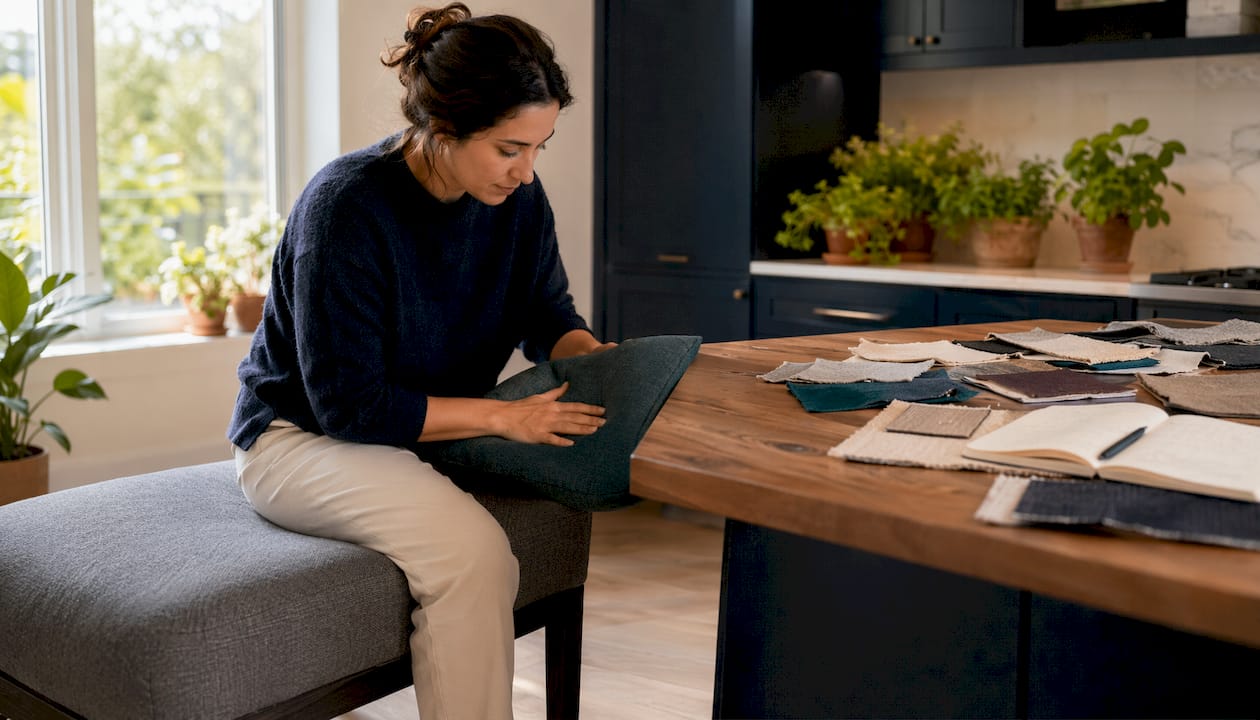
Softwood frames feel solid in the showroom but flex under daily use. Particleboard absorbs humidity and swells, which breaks glue bonds and loosens hardware. A kiln-dried hardwood frame, by contrast, stays stable through seasonal humidity changes and years of regular use.
How to spot a quality frame:
- Ask the retailer directly: “Is the frame kiln-dried hardwood?”
- Check the product spec sheet for wood species (ash, maple, beech, or oak are all good signs)
- Lift the piece. Heavier items often signal denser solid wood rather than hollow composites
- Look for a warranty that covers the frame structure for at least five years
Pro Tip: The Weight Proxy is a practical quality check when shopping online. Compare the net weight with the shipping weight. A significant difference often means hollow or lightweight composite construction inside.
At cozyhome furniture, every custom sofa and sectional is built on a kiln-dried hardwood frame. That is not a marketing claim. It is a construction standard that shows up in how the piece holds its shape five years after delivery.
2. Selecting durable upholstery fabrics and cushion fills
Fabric durability is measured by rub count, which is the number of times a fabric can be rubbed before it shows wear. A rub count above 15,000 indicates medium to heavy use durability. For households with kids, pets, or daily heavy use, 30,000 or higher is the right target. That number tells you far more than a fabric’s appearance or feel in the store.
Natural fibers like linen and cotton breathe well and feel great, but they stain easily and wear faster under friction. Synthetic microfibers and performance fabrics resist stains, dry quickly, and hold their color longer. The right choice depends on how the piece will actually be used, not just how it looks in the room.
Cushion fill comparison:
| Fill Type | Durability | Comfort | Maintenance |
|---|---|---|---|
| High-resilience foam | Excellent | Firm and supportive | Low |
| Feather-wrapped foam | Good | Soft and plush | Regular plumping needed |
| Standard polyester | Poor | Soft initially | Flattens quickly |
High-resilience foam cushions maintain their shape and support far longer than standard polyester fill. Feather-wrapped foam offers a softer feel but requires regular plumping to stay full. For a sofa you plan to keep for a decade, high-resilience foam is the more practical choice.
Pro Tip: Ask for the fabric’s rub count in writing before you buy. Any reputable retailer can provide it. If they cannot, that tells you something important about the product.
The upholstery process matters as much as the fabric itself. Properly tensioned fabric, secured with consistent staple spacing and no bunching at seams, holds up far better than fabric that looks smooth but was applied quickly.
3. Assessing joinery, hardware, and structural integrity
Construction quality is visible if you know where to look. Mortise-and-tenon and dovetail joints are the gold standard for furniture frames. These interlocking wood connections, when combined with glue and screws, create a bond that resists racking and stress over years of use. Staples and nails alone fail under repeated loading.
Turn the piece over when you are in the showroom. Quality construction shows up in the details underneath.
What to check for:
- Double-dowelled or mortise-and-tenon joints at the legs and seat rail connections
- Corner blocks glued and screwed into the frame corners for added rigidity
- Metal hardware made from solid brass or stainless steel, not plated zinc or plastic
- No visible gaps, rough edges, or misaligned panels at joints
Hardware quality matters more than most buyers realize. Plated fittings corrode and loosen within a few years. Solid brass and stainless steel hardware holds its thread and finish through decades of use. Check drawer slides, hinges, and leg hardware before you commit.
The craftsmanship grade of a piece is often the clearest signal of how long it will last. Furniture built to a high craftsmanship standard uses better joinery, better hardware, and tighter tolerances throughout.
4. Understanding how proportion and fit affect longevity
Proportion and fit affect furniture longevity in a way most buyers overlook. A sofa that is too large for a room gets bumped constantly, stresses its legs and frame, and frustrates the people living with it. That frustration leads to early replacement, not because the piece wore out, but because it never worked in the space.
Measuring before you buy is not optional. It is the step that separates a piece you keep for fifteen years from one you sell after three.
Steps to get proportion right:
- Measure the room’s full dimensions, including door swings and traffic paths
- Mark the furniture footprint on the floor with painter’s tape before ordering
- Check seat height against your dining table or desk height if relevant
- Confirm the piece can physically enter the room through doorways and hallways
- Leave at least 18 inches of clearance around seating for comfortable movement
Measuring space and traffic flow prevents scale mismatch, which is one of the most common reasons well-made furniture gets replaced early. A piece that fits the room correctly gets used correctly, and that extends its practical life significantly.
Modular and configurable pieces add another layer of longevity. A sectional that can be rearranged or a sofa with removable cushion covers adapts to changing needs without requiring full replacement. cozyhome furniture’s made-to-order approach lets you specify exact dimensions, which eliminates the guesswork entirely.
5. Choosing materials that age well, not just look good now
Natural materials that age gracefully outlast materials that resist wear and then degrade rapidly. Solid wood develops a patina over time. Full-grain leather softens and gains character with use. These materials accept wear as part of their nature, and that quality is what makes them last.
Cheap veneers peel. Low-grade fabrics pill. Plated finishes flake. These materials look fine on day one but show their limits within a few years of regular use. Choosing materials that age naturally is a long-term investment, not just an aesthetic preference.
When evaluating any piece, ask how the material will look in five years, not just today. A solid oak table with a few scratches still looks intentional. A veneer table with peeling edges looks neglected. The difference is in the material, not the care.
Handcrafted, American-made furniture tends to use better base materials precisely because the labor investment demands it. Builders who spend hours on a piece do not undermine it with inferior wood or fabric.
6. Evaluating manufacturer warranties and repair support
Manufacturer warranties covering 5–10 years of structural integrity are a direct signal of how confident a brand is in its own product. A brand that offers a 90-day warranty on a sofa frame is telling you something about what they expect to happen after that window closes.
Warranty terms also reveal repairability. A brand that offers replacement cushion covers, spare hardware, or frame repair services is building furniture meant to be maintained, not discarded. That support structure extends the practical life of a piece well beyond what the materials alone would allow.
Ask these questions before you buy:
- What does the warranty cover, and for how long?
- Can replacement parts be ordered after the warranty expires?
- Does the brand offer any repair or reupholstery services?
A strong warranty is not just protection. It is evidence of quality. Brands that build furniture to last are not afraid to stand behind it for a decade.
7. Thinking about lifestyle fit before you commit
Longevity is not just about materials or construction. Furniture that fits your daily use and room proportion supports your lifestyle flexibly over years. A beautiful linen sofa in a home with two dogs and three kids will not last, no matter how well it is built. The right piece for your life is the one that survives it.
Think about how the piece will actually be used every day. A dining table that seats your family comfortably without crowding gets used for meals, homework, and projects. One that is too small gets abandoned for the kitchen counter. Daily use drives longevity more than any single material choice.
Performance fabrics, darker upholstery colors, and removable covers all extend the practical life of seating in active households. These are not compromises. They are smart choices that keep a piece looking good and functioning well for longer.
Key Takeaways
The most durable furniture combines kiln-dried hardwood frames, high-resilience cushion fills, quality joinery, and a size that fits the room and the lifestyle it will serve.
| Point | Details |
|---|---|
| Frame material is first | Kiln-dried hardwood frames in ash, maple, or beech prevent warping and last longest. |
| Rub count guides fabric choice | Choose upholstery rated above 15,000 double rubs, or 30,000+ for heavy daily use. |
| Joinery signals build quality | Mortise-and-tenon and dovetail joints with corner blocks outlast stapled or nailed frames. |
| Proportion prevents early replacement | Furniture scaled correctly to the room gets used correctly and lasts longer. |
| Warranty reveals confidence | A 5–10 year structural warranty shows the brand expects the piece to hold up. |
What I have learned after years of watching furniture fail and last
By Dean P.
The most common mistake I see buyers make is treating price as a proxy for quality. Expensive furniture can be poorly built, and well-priced furniture can be exceptional. The difference is always in the construction details, not the tag.
The factor I see overlooked most often is joinery. Buyers sit on a sofa, feel the cushions, and check the fabric. Almost nobody turns the piece over to look at the joints. That is where the real story is. A frame held together with staples and glue blocks will feel solid for a year and then start to rack and creak. A mortise-and-tenon frame with corner blocks will feel the same in year ten as it did in year one.
I have also learned to take warranties seriously. Not as a safety net, but as a quality signal. When a brand offers a decade of structural coverage, they are not being generous. They are being honest about what their product can do. Brands that avoid long warranties usually have a reason.
The other thing worth saying plainly: proportion matters more than most people expect. I have seen beautifully built furniture replaced within five years because it was the wrong size for the room. The piece was not worn out. It was just wrong. Measure twice, order once. That advice applies to furniture as much as it does to anything else.
If you want to go deeper on what separates a well-built piece from one that just looks good, the artisan craftsmanship guide at cozyhome furniture is worth your time.
— Dean P.
Built to last: quality furniture from cozyhome furniture
cozyhome furniture builds every sofa, sectional, and dining piece to the standards covered in this guide. Kiln-dried hardwood frames, high-resilience cushion fills, and performance upholstery options are not add-ons. They are the baseline.
The Plano showroom lets you feel the construction difference in person. Staff walk you through fabric rub counts, frame specs, and sizing options so you leave with a piece that fits your room and your life. With 700+ fabric and leather choices and a made-to-order process, every piece is built around you, not pulled from a warehouse shelf. The Koba Sofa in Black and the Excelsior Sofa in Shiitake Beige are strong starting points for buyers who want lasting quality without compromise.
FAQ
What wood is best for a durable furniture frame?
Kiln-dried hardwood species like ash, maple, and beech are the best choices for furniture frames. They resist warping, hold joints firmly, and maintain structural integrity under daily use.
What rub count should I look for in sofa fabric?
A rub count above 15,000 double rubs works for medium use, while 30,000 or higher is the right target for households with kids or pets. Ask the retailer for this number in writing before purchasing.
How do I check furniture quality in a showroom?
Turn the piece over and look at the joints. Double-dowelled, mortise-and-tenon, or glued-and-screwed joints with corner blocks indicate high-quality construction. Avoid pieces held together with staples or nails alone.
Why does furniture proportion matter for longevity?
Poorly scaled furniture creates friction in a room and gets replaced early due to frustration, not wear. Measuring your space and marking the footprint with tape before ordering prevents this common and costly mistake.
What does a furniture warranty tell me about quality?
A structural warranty covering 5–10 years signals that the manufacturer expects the piece to hold up under real use. It also indicates the brand supports repair and replacement parts, which extends the furniture’s practical life.